
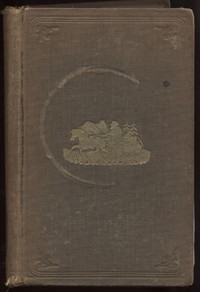
The Trial of Captain John Kimber, for the Murder of Two Female Negro Slaves, on…
This book isn't a novel. It's a direct account of a real legal case, presented by someone calling themselves 'A Student of the Temple.' It reads like a court transcript mixed with a fiery pamphlet.
The Story
The core of the book is the 1792 trial of Captain John Kimber. He was accused of murdering two teenage girls, one named 'Margaret' and another unnamed, who were part of the human cargo on his slave ship, the Recovery, traveling from Africa to the Caribbean. The prosecution's case was built on the testimonies of the ship's surgeon and a crew member. They described a horrifying scene: Kimber ordered the girls to be flogged and then hoisted up by one ankle, dangling them from a rope for hours as punishment for being 'sulky' and not dancing for him. Both girls died from their injuries.
Kimber's defense argued the girls died of disease, a common claim meant to shield captains from blame. The jury had to decide: Was this brutal discipline, or was it murder? The book follows the legal arguments, the shocking details, and the final, controversial verdict.
Why You Should Read It
What hit me hardest wasn't just the cruelty—though that is graphic and disturbing. It was the sheer, unsettling normalcy of the courtroom setting for such an abnormal crime. Lawyers debate legal technicalities while describing atrocities. It shows how the law itself was twisted to protect a brutal system. You're not just reading about history; you're sitting in that courtroom, feeling the tension between a growing abolitionist movement and a powerful shipping industry that didn't want its captains questioned.
The anonymous author doesn't hide their bias—they are clearly against Kimber and the slave trade. This gives the writing a raw, urgent energy. You feel their outrage on the page, which makes the historical facts land with more emotional weight.
Final Verdict
This is a tough but essential read. It's perfect for anyone interested in the raw, unfiltered history of slavery and justice, not the sanitized version. If you like true crime that exposes flawed systems, or if you've read books like Bury the Chains and want to see the legal battles up close, pick this up. Be warned: the descriptions of violence are blunt and upsetting. But if you can sit with that discomfort, this short book offers a powerful, unforgettable look at a moment when the morality of an entire economy was put in the dock alongside one man.
The copyright for this book has expired, making it public property. You are welcome to share this with anyone.





Andrew Martin
10 months agoMy professor recommended this, and I see why.